Foundation and Industrialisation
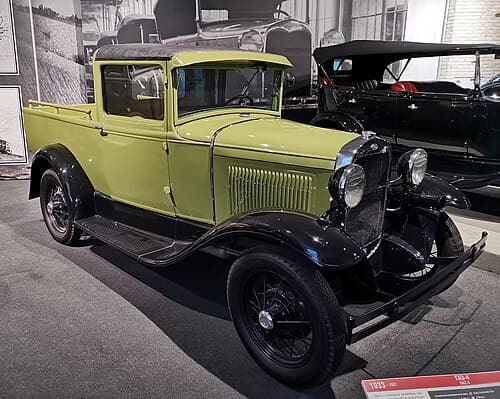
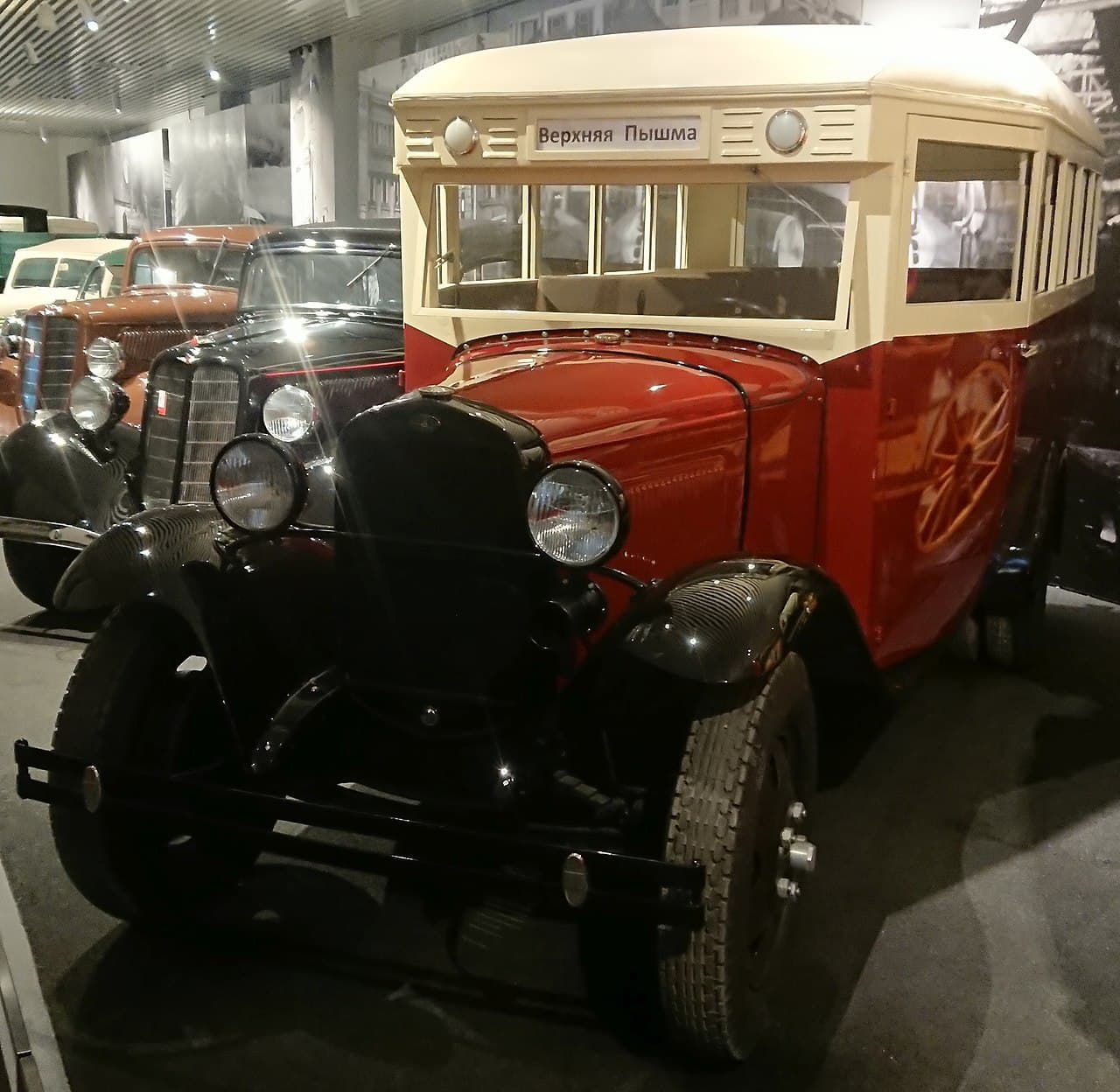
The era of the first five-year plans and headlong industrialisation. The USSR builds a motor industry from nothing with help from Ford. Vast plants rise in Gorky and Moscow, and the first passenger cars — still copies of American designs — come off the lines. A car is a state asset and a privilege of the nomenklatura.
Historical background
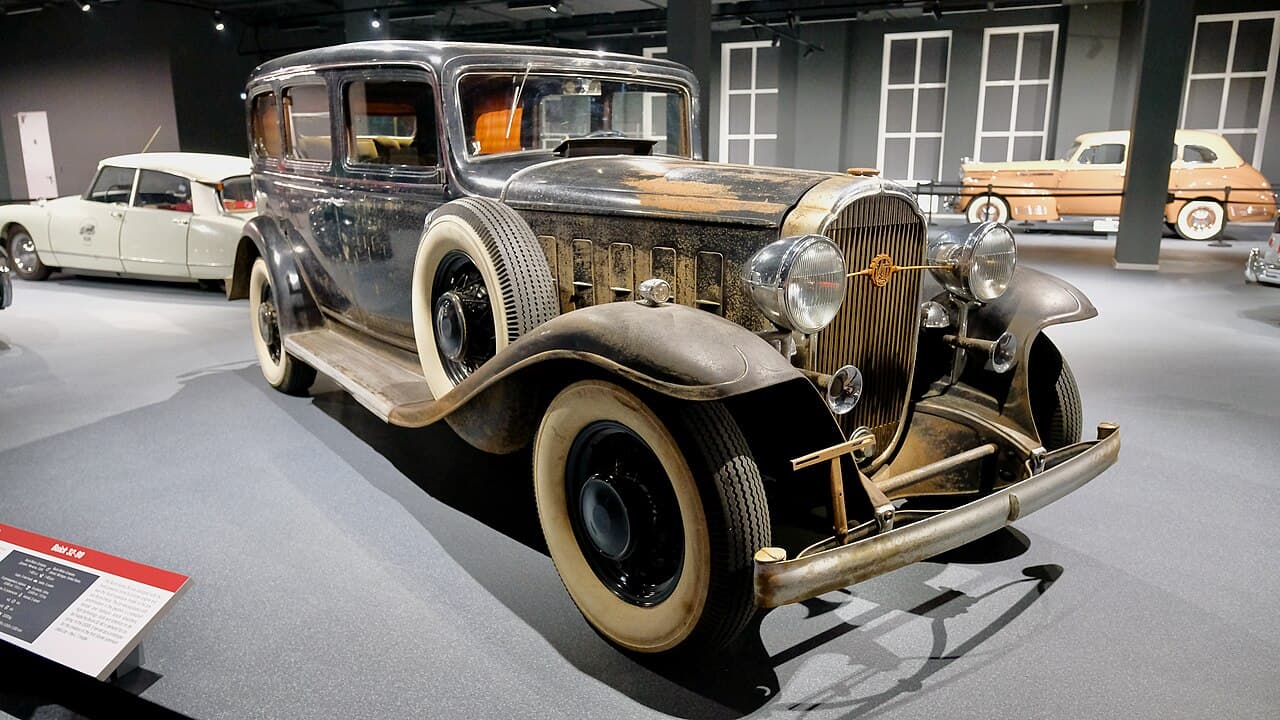
Stalin's five-year plans turn an agrarian country into an industrial power. In 1929 a contract is signed with Ford to build a car plant in Nizhny Novgorod (GAZ). In 1936 the Moscow ZIS plant builds the first state limousine, the ZIS-101, the “Soviet Buick”. Cars are a strategic resource: they carry officials, doctors and the military. Private ownership barely exists.
A worker earns 200–350 roubles a month. Cars are not sold to the public — they are state property. The GAZ-M1 belongs to organisations, not people.
Key events
- 1929FactoryThe Ford contract
The USSR signs an agreement with the Ford Motor Company to build a car plant in Nizhny Novgorod
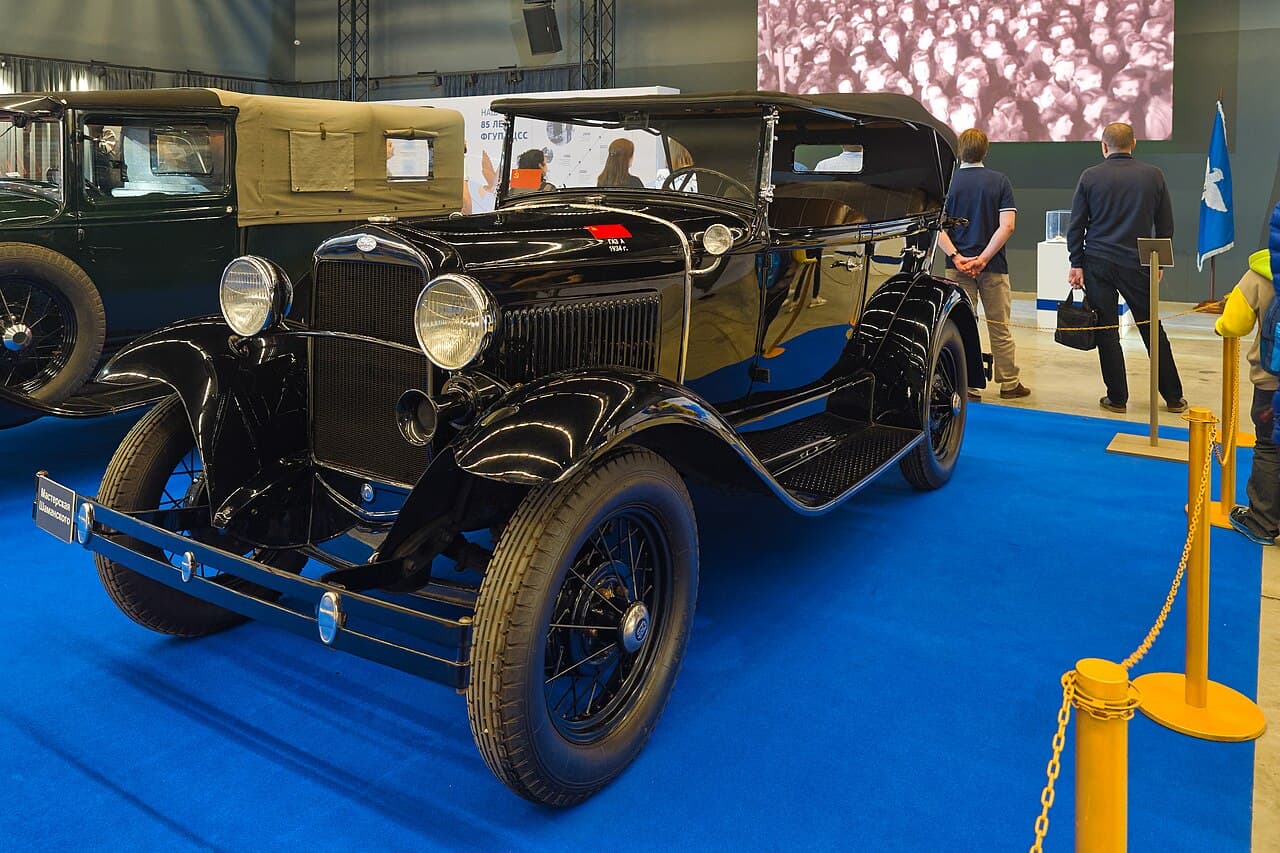
- 1932Model
On 8 December the first GAZ-A, a licence-built Ford Model A, leaves the GAZ line
- 1936Model
Production starts of the Emka, the defining Soviet car of the pre-war years
- 1936Model
The Moscow ZIS plant builds the first Soviet eight-cylinder state limousine
- 1938ModelThe first four-wheel-drive car
The GAZ-61, based on the Emka, is the first Soviet four-wheel-drive passenger car
- 1941HistoryThe war begins
On 22 June the plants switch to military production and passenger car assembly stops
Models of the era
All 28 in the catalog